
Introduction
When students enter college, especially in engineering, management, or professional courses, they often hear the term PPO during placements or internships. It creates excitement because it is linked with job security before even completing graduation. But many students still don’t clearly understand what PPO actually means, how it works, and why companies offer it.
In simple terms, PPO is one of the most valuable opportunities a student can receive during an internship. It can directly turn an internship experience into a full-time job offer. In this article, we will break down everything about PPO in jobs in a simple and practical way so you can fully understand its importance in your career journey.
What is PPO in Job?
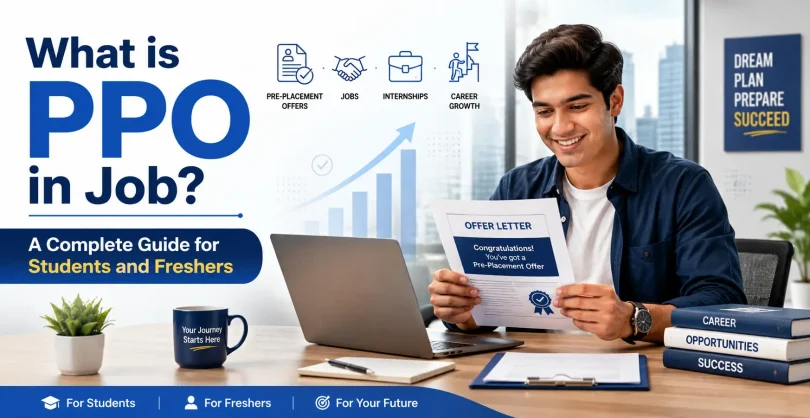
PPO stands for Pre Placement Offer. It is a job offer given by a company to a student before the final campus placement process begins. Usually, this offer is made after a student completes an internship in the same company and performs well during the internship period.
Instead of waiting for final-year placements and interviews, the company directly selects the intern based on their performance, skills, behavior, and overall contribution during the internship.
In short, PPO means:
A company is so satisfied with your internship performance that they decide to hire you permanently even before final placements.
How Does PPO Work?
The process of getting a PPO usually starts with an internship. Here is how it typically works:
First, students apply for internships through campus drives, online portals, or referrals. After selection, they join the company as interns for a fixed duration, usually 2 to 6 months.
During this internship period, the company evaluates the intern closely. They don’t just check technical skills but also communication, teamwork, problem-solving ability, discipline, and adaptability.
If the intern performs well and meets company expectations, the organization may decide to extend a PPO. This means the student is offered a full-time job after graduation, without needing to go through the regular placement process again.
Once the student accepts the PPO, they officially secure a job that will begin after completing their degree.
Why Companies Offer PPO
Companies don’t give PPOs randomly. It is a strategic decision that benefits both the employer and the student.
One major reason is talent retention. Companies invest time and resources in training interns. If they find a strong candidate, they prefer to secure them early instead of competing in the job market later.
Another reason is performance proof. Unlike interviews, where companies judge candidates in a short time, internships allow them to observe real work performance over weeks or months.
PPOs also reduce hiring risk. The company already knows the intern’s capabilities, so the chances of hiring the wrong candidate become very low.
Benefits of PPO for Students
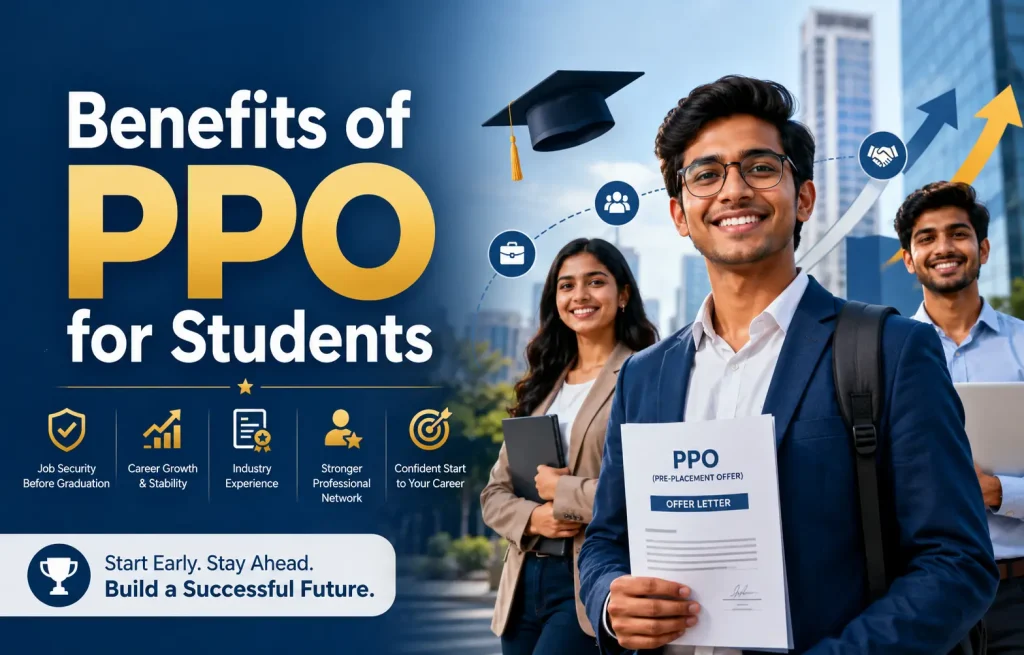
Getting a PPO is a big achievement for students, especially in competitive fields. It offers several advantages.
One of the biggest benefits is job security before graduation. Students who receive PPOs don’t need to worry about campus placements or job hunting in their final year.
Another major advantage is reduced stress. Final-year placement seasons can be highly competitive and stressful, but PPO holders already have a confirmed job offer.
PPOs also give financial clarity. Students know their expected salary package in advance, which helps them plan their future better.
Additionally, it boosts confidence. A PPO confirms that your skills and performance are industry-ready, which increases self-belief.
Difference Between Internship and PPO
Many students confuse internships with PPOs, but they are not the same.
An internship is a temporary training period where students learn industry skills and gain experience. It may or may not lead to a job offer.
On the other hand, a PPO is a permanent job offer given after or during the internship based on performance.
Another key difference is commitment. Internships are short-term, while PPOs are long-term employment commitments.
Simply put, internship is a learning phase, while PPO is a result of excellent performance during that phase.
Who is Eligible for PPO?
Not every intern automatically gets a PPO. Companies usually consider several factors before offering it.
Academic performance plays a role, but it is not the only factor. Practical skills and project performance matter more.
Communication skills are also important. Even technical candidates need to express their ideas clearly in meetings and teamwork.
Consistency during the internship is another key factor. Regular attendance, timely task completion, and professional behavior are closely observed.
Most importantly, problem-solving ability and willingness to learn can significantly increase chances of getting a PPO.
How to Increase Your Chances of Getting a PPO
If you are aiming for a PPO, you need to treat your internship as more than just training. It is actually a long interview process.
First, focus on understanding your work deeply. Don’t just complete tasks; try to learn the logic behind them.
Second, communicate regularly with your manager or mentor. Asking questions and showing curiosity leaves a positive impression.
Third, take initiative. If you only do assigned tasks, you will blend in. But if you contribute ideas or improvements, you stand out.
Time management is also important. Always meet deadlines and maintain consistency in your work quality.
Lastly, build good relationships with your team. Professional behavior and teamwork often influence PPO decisions as much as technical skills.
PPO Salary Expectations
The salary offered in a PPO depends on multiple factors such as company type, role, and location.
In top multinational companies, PPO packages can be very competitive, especially in fields like software engineering, data science, and consulting.
In mid-level companies or startups, PPO salaries may be moderate but often come with faster growth opportunities and learning exposure.
It is important to understand that PPO salary is usually similar to entry-level salaries offered during campus placements. However, the advantage is job security and early confirmation.
Over time, performance in the job matters more than initial salary, so PPO should be seen as a starting opportunity rather than a final goal.
Common Mistakes Students Make During Internships
Many students miss PPO opportunities due to avoidable mistakes.
One common mistake is treating internships casually. Students sometimes think internships are just formalities, which leads to poor performance.
Another mistake is lack of communication. Staying silent and not asking questions can make interns appear less engaged.
Some students also avoid teamwork, focusing only on individual tasks. This can negatively impact their evaluation.
Poor time management and missed deadlines are also major reasons why students fail to receive PPOs.
Avoiding these mistakes can significantly improve your chances of getting selected.
Importance of PPO in Career Growth
A PPO is not just a job offer; it is a strong foundation for your career. It gives you early exposure to professional work culture and industry expectations.
Starting your career with a PPO also gives you stability. Instead of searching for jobs after graduation, you can directly focus on learning and growing in your role.
In addition, companies that offer PPOs often invest more in training their employees, which helps in faster skill development.
It also adds credibility to your resume, showing that you were selected based on real performance, not just interviews.
Conclusion
PPO in job is one of the most valuable opportunities for students who are starting their professional journey. It bridges the gap between education and employment by rewarding real performance during internships.
Instead of waiting for final placements, students can secure their future early by performing well in internships and building strong professional skills.
However, PPO is not guaranteed. It requires dedication, learning attitude, and consistent effort. If you treat your internship seriously, communicate well, and show initiative, your chances of receiving a PPO increase significantly.
In today’s competitive job market, PPO is more than just an offer—it is a recognition of your potential and a strong stepping stone toward a successful career.