
Building the Right Foundation Before Every Football Session
Every successful football performance starts long before the first whistle. A structured warm-up prepares the body for movement, increases blood circulation, activates key muscle groups, and improves coordination. Whether you are a beginner, a weekend player, or a competitive athlete, spending time on proper preparation can make a noticeable difference in both performance and recovery. Many football communities, including luong son tv, often emphasize that effective preparation is just as valuable as technical training because it creates the physical readiness needed for quick reactions, controlled movements, and confident play throughout the match. A consistent warm-up routine also helps players develop healthy habits that support long-term participation in the sport without unnecessary setbacks caused by avoidable injuries.
Key Benefits of Starting with a Proper Warm-Up
- Raises body temperature gradually.
- Improves circulation to working muscles.
- Enhances joint flexibility before intense movement.
- Increases mental focus and concentration.
- Reduces muscle stiffness.
- Prepares the nervous system for explosive actions.
- Supports smoother coordination during football activities.
Dynamic Mobility Exercises That Prepare Every Major Joint
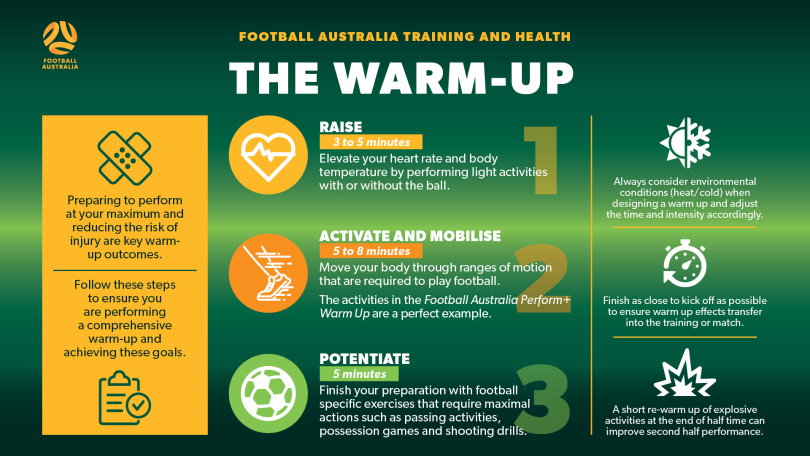
Mobility forms the foundation of efficient football movement. Unlike static stretching before activity, dynamic mobility encourages controlled movement through a full range of motion while keeping the muscles active. Players rely on mobile hips, flexible ankles, stable knees, and an adaptable spine to perform quick turns, powerful kicks, and rapid accelerations. Beginning with dynamic mobility allows the body to transition naturally from rest into sport-specific movement. These exercises should be performed with control instead of speed so each joint receives gradual preparation. As mobility improves, players often experience better balance, smoother changes of direction, and greater confidence when moving under pressure. Consistency is more important than intensity because regular practice develops lasting improvements that support both training and competition.
Dynamic Mobility Drills to Include
- Leg swings forward and sideways.
- Walking lunges with torso rotation.
- High knee marches.
- Heel-to-glute walking movements.
- Hip circles in both directions.
- Arm circles with increasing range.
- Ankle mobility rocks.
- World’s greatest stretch performed dynamically.
Activating Muscles That Power Football Performance
After mobility work, the next objective is activating the muscles responsible for speed, balance, and stability. Football requires powerful contributions from the glutes, hamstrings, quadriceps, calves, and core muscles. If these muscles remain inactive, other areas may compensate, increasing fatigue and the likelihood of injury. Activation exercises are designed to wake up these important muscle groups without creating exhaustion. They improve communication between the brain and muscles, helping players produce force more efficiently once training begins. Proper activation also contributes to better posture during sprinting, more controlled landing mechanics after jumping, and improved stability while tackling or shielding the ball. Even a short activation routine can create noticeable improvements in overall movement quality.
Effective Muscle Activation Exercises
- Glute bridges with controlled pauses.
- Bodyweight squats.
- Lateral band walks.
- Single-leg balance reaches.
- Plank holds with shoulder taps.
- Standing calf raises.
- Bird-dog movements.
- Mini squat pulses.
Improving Agility and Coordination Before High-Intensity Play
Football is filled with unpredictable situations that require instant reactions. Players constantly accelerate, decelerate, pivot, and change direction while maintaining possession or defending opponents. Agility and coordination exercises bridge the gap between basic warm-up movements and match-speed performance. These drills prepare the nervous system to process information quickly while improving foot placement and body control. Short bursts of controlled movement help players sharpen reaction time without creating excessive fatigue. Incorporating coordination work before training encourages cleaner movement patterns and better efficiency throughout the session. Coaches frequently include these activities because they reinforce athletic qualities that benefit every playing position on the field.
Agility and Coordination Drills
- Quick feet through agility ladders.
- Side shuffles over short distances.
- Zigzag cone runs.
- Forward and backward accelerations.
- Carioca crossover steps.
- Single-leg hopping patterns.
- Mirror movement with a training partner.
- Short reaction sprints on command.
Football-Specific Warm-Up Movements That Transition Into Match Readiness
General preparation should naturally progress into football-specific actions. This stage introduces movements that closely resemble those performed during matches while keeping the workload manageable. Passing, controlled dribbling, gentle shooting, and acceleration drills gradually increase intensity without shocking the muscles. Players become comfortable with the ball while reinforcing technical accuracy under movement. The objective is to enter full training feeling physically prepared rather than fatigued. Football-specific warm-ups also help players reconnect with timing, rhythm, and decision-making before competitive actions begin. Teams that consistently practice structured sport-specific preparation often demonstrate smoother transitions into tactical drills and competitive play.
Football-Specific Warm-Up Activities
- Short passing combinations.
- Controlled dribbling through cones.
- Light shooting practice.
- Progressive acceleration runs.
- Small possession games.
- Close ball control exercises.
- Short defensive shuffle drills.
- Partner passing while moving.
Common Warm-Up Mistakes That Increase Injury Risk
Many players unintentionally reduce the effectiveness of their warm-up by rushing through exercises or skipping important stages altogether. Some begin sprinting immediately without preparing their joints, while others rely only on static stretching before explosive movement. Watching truc tiep bong da may inspire exciting techniques and fast-paced action, but it is equally important to remember that professional athletes spend significant time preparing before every match. Ignoring warm-up fundamentals can leave muscles tight, joints unprepared, and reaction times slower than expected. Building a complete routine requires patience, consistency, and attention to quality rather than speed. Players who avoid these common mistakes often experience better movement efficiency, fewer muscle strains, and greater confidence throughout the game.
Mistakes to Avoid During Warm-Ups
- Skipping mobility exercises.
- Performing only static stretches.
- Starting with maximum intensity.
- Ignoring activation work.
- Rushing through each movement.
- Warming up for too little time.
- Forgetting hydration before activity.
- Neglecting recovery after training.
Creating a Consistent Warm-Up Routine for Long-Term Success
The most effective warm-up is the one that becomes a regular habit. Players do not need complicated routines or expensive equipment to prepare properly before football sessions. A balanced sequence that includes mobility, activation, coordination, agility, and football-specific drills can usually be completed within fifteen to twenty minutes. Repeating this structure consistently allows the body to recognize familiar movement patterns and become more efficient over time. Individual adjustments can be made based on age, fitness level, weather conditions, or previous injuries, but the core principles remain the same. Developing discipline during preparation often translates into better discipline during matches, resulting in improved consistency and greater confidence throughout the season.
Elements of a Reliable Warm-Up Routine
- Begin with light aerobic movement.
- Progress into dynamic mobility.
- Activate major muscle groups.
- Include balance exercises.
- Practice agility and coordination.
- Finish with football-specific drills.
- Increase intensity gradually.
- Stay consistent before every session.
Complete Conclusion: Why Following Essential Football Warm-Up Exercises Every Time Creates Better Mobility, Stronger Performance, Greater Confidence, and Significantly Reduces the Overall Risk of Injury Throughout the Season
A well-designed football warm-up is much more than a simple routine before training or competition. It is an investment in long-term performance, mobility, and physical health. Every stage serves a specific purpose, from increasing circulation and improving flexibility to activating important muscles and preparing the body for explosive movement. Players who consistently complete comprehensive warm-ups often experience smoother movement, improved balance, faster reactions, and better overall athletic performance. More importantly, they reduce the likelihood of preventable injuries that can interrupt progress and limit enjoyment of the game. By making warm-up exercises a permanent part of every football session, athletes of all ages can build stronger movement habits, recover more effectively, and approach every match with greater confidence, knowing their bodies are fully prepared for the demands of the sport.
Main Takeaways to Remember
- Warm up before every football session.
- Prioritize dynamic mobility over static stretching before play.
- Activate key muscle groups consistently.
- Include agility and coordination drills.
- Progress gradually toward match intensity.
- Avoid rushing the preparation process.
- Build a repeatable warm-up routine.
- Consistency supports better performance and lowers injury risk over time.