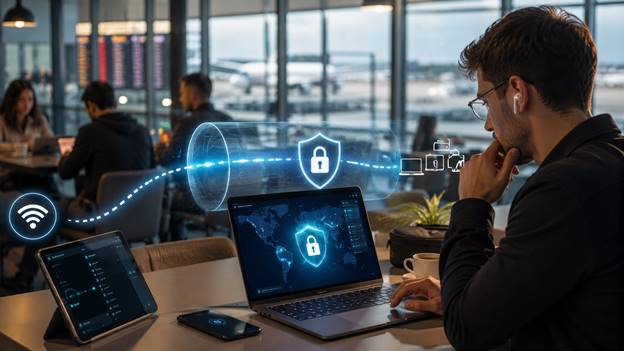

A VPN used to sound like a tool for tech people. Now it is marketed almost everywhere: privacy, travel, public Wi-Fi, streaming, work, security. The message is often simple: get a VPN and you are protected. Real life is less neat.
A VPN is useful, but it is not a magic privacy shield. It changes how your internet traffic is routed. It helps on public networks and reduces what some network operators can see. But it does not automatically stop tracking inside apps, protect you from weak passwords or make suspicious websites safe.
So the better question is not “Do I need a VPN?” It is “What problem am I trying to solve?”
When a VPN actually makes sense
Security is not only about the VPN itself. It also depends on how carefully you open websites and services during everyday browsing. For a clearer route, 1king serves as a direct access point. That is usually better than following random search results or unfamiliar redirects.
A VPN can also help people who travel often and want a more consistent connection experience. Remote workers may use company VPNs to access internal systems. In that case, the VPN is not a lifestyle app. It is part of workplace security.
Good reasons to use a VPN
A VPN may be useful if you:
- often use public Wi-Fi;
- travel and connect through unfamiliar networks;
- need secure access to work systems;
- want to reduce exposure to network-level tracking;
- understand that it is only one layer of protection.
That last point matters. A VPN should sit alongside strong passwords, two-factor authentication, software updates and careful browsing.
What a VPN cannot fix
A VPN does not make bad habits safe. If you reuse passwords, download random files or click phishing links, a VPN will not save you. It also does not remove all tracking. Apps, browsers and websites can still collect data through cookies, account logins, device fingerprints and your own behaviour.
Some VPN marketing exaggerates this. Claims about total anonymity should make you cautious. No ordinary consumer tool promises that in every situation.
The FTC has noted that VPN apps may route traffic through another network and can make traffic appear to come from somewhere else, but it also encourages users to think carefully about privacy claims rather than accepting them automatically.
How to choose a VPN without overpaying
Start with reputation. Look for clear ownership, transparent policies, independent audits and a simple explanation of what data the service keeps. If the company hides behind vague language, that is not a great sign.
Avoid free VPNs unless you understand their business model. Running servers costs money. If you are not paying, the service may be funded in another way. That does not always mean it is harmful, but it does mean you should be careful.
For most people, the best VPN is not the one with the loudest ads. It is the one that has reliable apps, clear privacy terms, stable speed, support for your devices and no confusing pricing traps.
In 2026, a VPN might still be worth using. Just do not treat it as a shortcut to perfect privacy. Treat it as one practical tool in a bigger digital safety routine.