
Introduction
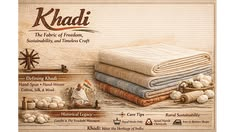
Khadi is more than just a type of cloth. It carries a deep cultural, historical, and emotional meaning, especially in South Asia. Known for being hand-spun and hand-woven, Khadi represents simplicity, self-reliance, and sustainability.
Unlike mass-produced fabrics, Khadi is created through traditional spinning techniques, often using a charkha (spinning wheel). The result is a fabric that is naturally breathable, textured, and unique in every piece. Over time, it has become a symbol of heritage and conscious living.
Today, Khadi is not only worn for cultural or political reasons but also appreciated in global fashion for its eco-friendly and artisanal value.
Historical Significance of Khadi
The story of Khadi is deeply connected with the freedom movement in India. It became a symbol of independence and resistance against British industrial goods.
Mahatma Gandhi strongly promoted Khadi as part of the Swadeshi movement. His idea was simple: if people spun and wore their own clothes, they would become economically independent and reduce reliance on foreign products. The spinning wheel became a powerful symbol of self-reliance and dignity of labor.
Khadi was not just cloth—it became a political statement. Wearing it meant supporting local craftsmanship and rejecting mass-produced colonial textiles. Even today, Khadi is remembered as a fabric of freedom and national identity.
The Making of Khadi
Khadi production is a slow and labor-intensive process. It involves several stages, each done by hand or with minimal machinery.
First, cotton or other natural fibers such as silk or wool are collected. These fibers are then cleaned and carded to prepare them for spinning. Skilled artisans spin the fibers into yarn using a charkha or spinning wheel. This step requires patience and precision.
Once the yarn is ready, it is sent to handloom weavers who weave it into fabric. The weaving process also takes time, as each thread is carefully placed to form the final textile.
Because everything is handmade, no two Khadi fabrics are exactly the same. This uniqueness is one of its strongest appeals.
Characteristics of Khadi Fabric
Khadi is known for its distinct qualities that set it apart from machine-made textiles.
One of its most important features is breathability. The loose weave allows air to pass through easily, making it comfortable in hot climates. It also keeps the body warm in cooler weather by trapping air between fibers.
Another feature is its texture. Khadi is not perfectly smooth; it has a slightly uneven and rustic feel, which adds to its charm.
Durability is another strength. When maintained properly, Khadi fabric lasts for years and often becomes softer with each wash.
It is also highly absorbent, making it suitable for different types of clothing, from casual wear to formal garments.
Khadi and Sustainable Fashion
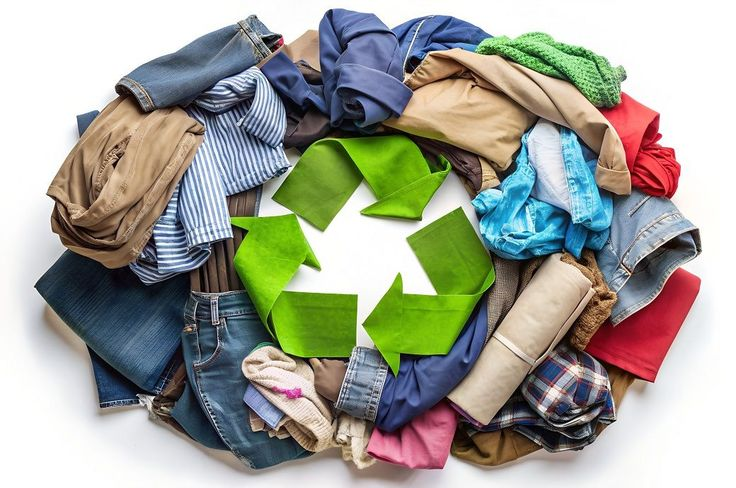
In today’s world, sustainability has become a major concern in the fashion industry. Fast fashion contributes to pollution, waste, and unethical labor practices. Khadi offers a natural alternative.
Since it is handmade using natural fibers, Khadi has a much lower environmental impact compared to synthetic fabrics. It does not require heavy machinery, excessive electricity, or harmful chemicals during production.
It also supports rural artisans and small-scale weavers. By choosing Khadi, consumers help preserve traditional skills and provide livelihoods to local communities.
Many modern designers are now incorporating Khadi into their collections as part of the sustainable fashion movement.
Types of Khadi
Khadi is not limited to cotton. Over time, different variations have developed to suit different needs and preferences.
Khadi cotton is the most common type, known for its softness and comfort. It is widely used in shirts, kurtas, and summer clothing.
Khadi silk is a more luxurious version that combines hand-spun techniques with silk fibers. It has a smoother texture and is often used in formal wear.
Khadi wool is used in colder regions and provides warmth while maintaining breathability.
There are also blended versions where Khadi is mixed with other natural fibers to enhance durability or texture.
Khadi in Modern Fashion
Today, Khadi has evolved from a traditional fabric into a modern fashion statement. Designers across the world are experimenting with it in innovative ways.
It is now used in western outfits like jackets, dresses, trousers, and even accessories. The rustic texture of Khadi gives garments a unique, handcrafted aesthetic that stands out in a world of mass production.
Celebrities and fashion influencers have also embraced Khadi for its authenticity and eco-friendly appeal. It is often seen on runways and in high-end fashion collections.
Despite these modern adaptations, Khadi still maintains its traditional essence, blending heritage with contemporary style.
Economic Impact of Khadi
Khadi plays an important role in supporting rural economies. The production of Khadi involves thousands of artisans, weavers, and spinners, many of whom live in villages.
Organizations like Khadi institutions and cooperatives help manage production and distribution. These groups ensure fair wages and provide training to artisans.
The growth of Khadi-based industries also helps reduce migration from rural to urban areas by creating local employment opportunities.
In many ways, Khadi is not just a fabric but also a source of economic empowerment for rural communities.
Challenges Faced by Khadi Industry
Despite its popularity, the Khadi industry faces several challenges.
One major issue is competition from machine-made fabrics, which are cheaper and faster to produce. This makes it difficult for Khadi to compete in mass markets.
Another challenge is the time-consuming production process. Since everything is handmade, scaling up production can be difficult.
There is also a lack of awareness among younger consumers about the value and history of Khadi. Many people still see it as outdated or limited to traditional wear.
However, with growing interest in sustainable fashion, these challenges are slowly being addressed.
Government Support and Promotion
Governments in South Asia have taken steps to promote Khadi and support artisans. Various schemes provide financial assistance, training, and marketing support to Khadi producers.
Exhibitions, fairs, and online platforms are also being used to promote Khadi products to wider audiences.
These efforts aim to modernize the image of Khadi while preserving its traditional roots.
Why Khadi Still Matters Today
In a fast-moving world dominated by synthetic fabrics and mass production, Khadi stands as a reminder of simplicity and authenticity.
It encourages mindful consumption, where people value quality over quantity. It also promotes environmental responsibility and supports traditional craftsmanship.
Wearing Khadi is not just a fashion choice—it is a lifestyle decision that reflects awareness and responsibility.
Conclusion
Khadi is more than fabric. It is a story of heritage, struggle, craftsmanship, and sustainability. From its role in historical movements to its place in modern fashion, Khadi has evolved while staying true to its core values.
It represents a balance between tradition and innovation, between simplicity and style. As the world moves toward more sustainable practices, Khadi continues to gain relevance as a fabric of the future rooted in the past.
By choosing Khadi, people not only embrace comfort and style but also contribute to a larger movement of ethical and responsible living.