
Introduction
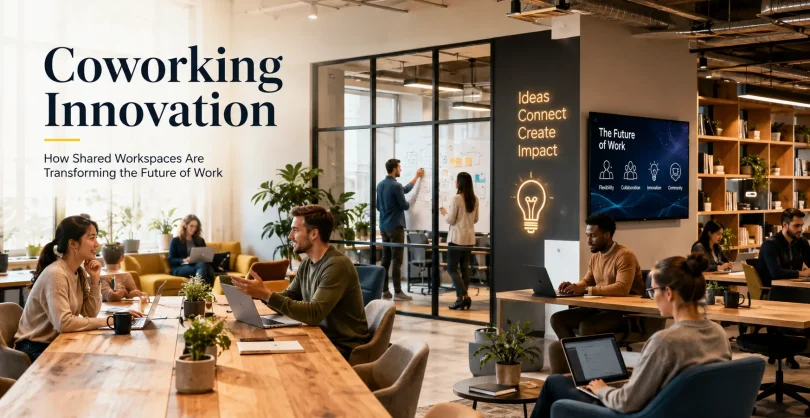
The way people work has changed dramatically over the last decade. Traditional office setups with fixed desks, long leases, and rigid schedules are no longer the only option for professionals and businesses. A new model has taken center stage—coworking spaces. But what truly makes this movement powerful is not just shared desks or open-plan offices. It is the continuous evolution of coworking innovation.
Coworking innovation refers to the creative strategies, technologies, and design approaches that make shared workspaces more flexible, collaborative, and efficient. These spaces are no longer just places to work—they are ecosystems where startups, freelancers, remote workers, and even large enterprises come together to share ideas and resources.
As the global workforce becomes more digital and decentralized, coworking innovation is shaping how, where, and why people work.
What is Coworking Innovation?
Coworking innovation is the ongoing improvement of shared workspace environments through technology, design, and community-focused strategies. It goes beyond providing desks and Wi-Fi. Instead, it focuses on creating environments that boost productivity, collaboration, and creativity.
Modern coworking spaces now include:
- Smart booking systems for desks and meeting rooms
- AI-powered space optimization
- Community-driven networking events
- Hybrid work support systems
- Sustainable and eco-friendly office designs
At its core, coworking innovation is about adapting to the changing needs of the workforce. It blends flexibility with functionality, ensuring that professionals can work in ways that suit their lifestyle and goals.
The Evolution of Coworking Spaces
Coworking started as a simple idea: shared office space for independent workers. Early spaces were often informal, with basic furniture and minimal structure. However, as remote work and freelancing increased, the demand for better-designed environments grew.
Companies like WeWork played a major role in popularizing modern coworking culture by offering stylish, fully equipped workspaces in major cities around the world. These spaces introduced a new standard of office design and community engagement.
Another major player is IWG, which operates brands like Regus and Spaces. IWG helped bring coworking into the corporate world, offering flexible office solutions for enterprises as well as individuals.
Over time, coworking evolved into a global movement. It is now common to find coworking spaces in small towns, business districts, airports, and even residential complexes.
Key Drivers Behind Coworking Innovation
Several factors have fueled the rapid growth of coworking innovation:
1. Rise of Remote Work
The global shift toward remote and hybrid work has increased demand for flexible work environments outside traditional offices.
2. Freelance Economy
Millions of professionals now work independently, requiring affordable and professional spaces to operate.
3. Startup Culture
Startups prefer coworking spaces because they reduce overhead costs and encourage collaboration with other entrepreneurs.
4. Technology Advancement
High-speed internet, cloud computing, and collaboration tools have made location-independent work possible.
5. Changing Work Preferences
Employees now value flexibility, community, and work-life balance more than rigid office structures.
These drivers have pushed coworking spaces to constantly innovate and adapt.
Technology Powering Coworking Innovation
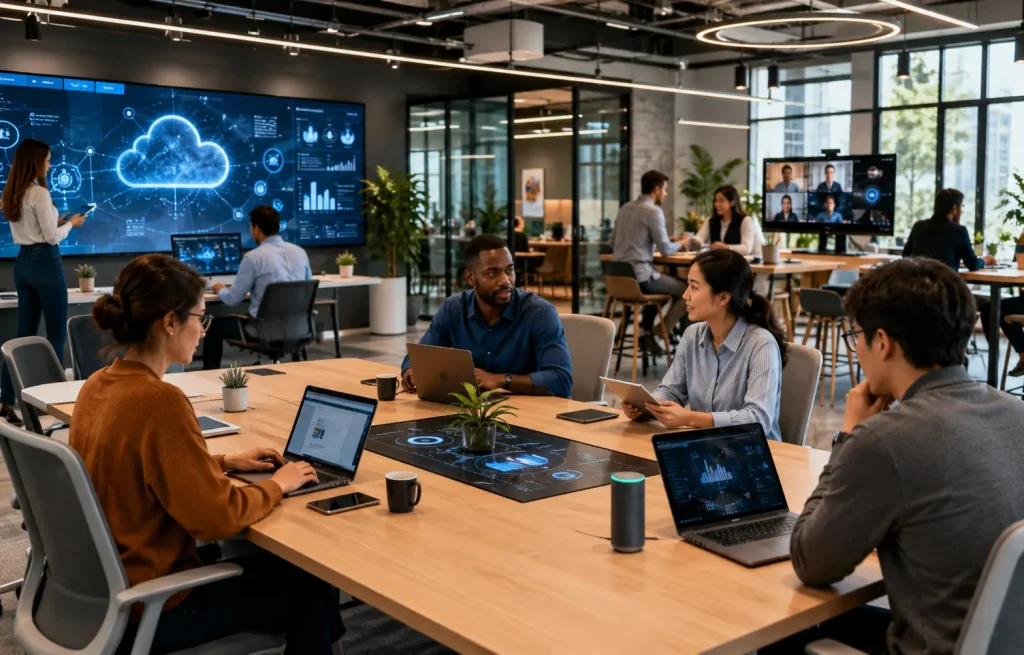
Technology plays a central role in shaping modern coworking environments. Without it, the concept would not be as efficient or scalable.
Smart Access Systems
Many coworking spaces now use mobile apps for entry, eliminating the need for physical keys or reception desks.
AI-Based Space Management
Artificial intelligence helps optimize desk usage, track occupancy, and reduce wasted space.
Cloud Collaboration Tools
Platforms like Google Workspace, Slack, and Microsoft Teams allow seamless communication between members, even if they are in different locations.
Virtual Coworking
Some platforms offer virtual coworking rooms where remote workers can interact via video while working independently.
Data-Driven Insights
Coworking operators use analytics to understand member behavior and improve services accordingly.
These technologies make coworking more efficient, personalized, and scalable.
Benefits of Coworking Innovation
Coworking innovation offers several advantages for individuals and businesses alike.
Flexibility
Users can choose when and where they work without long-term commitments.
Cost Efficiency
Businesses save money by avoiding expensive office leases and maintenance costs.
Networking Opportunities
Coworking spaces bring together professionals from different industries, creating opportunities for collaboration.
Increased Productivity
A structured yet flexible environment often leads to better focus and output compared to working from home.
Access to Resources
Members often get access to meeting rooms, event spaces, printing services, and high-speed internet.
Work-Life Balance
Many coworking spaces include wellness areas, lounges, and recreational zones to support mental well-being.
Challenges in Coworking Innovation
Despite its growth, coworking innovation also faces several challenges.
Privacy Concerns
Open layouts can sometimes reduce privacy, especially for sensitive work.
Noise and Distractions
Shared environments may not always be ideal for deep focus tasks.
Overcrowding
Popular coworking spaces can become crowded during peak hours.
Security Risks
With many users accessing shared networks, data security becomes a critical concern.
Consistency of Experience
Not all coworking spaces offer the same level of quality or services.
These challenges require continuous innovation to solve effectively.
Real-World Examples of Coworking Innovation
Coworking innovation is best understood through real-world examples.
WeWork
WeWork is one of the most well-known coworking brands globally. It transformed the idea of shared offices into a lifestyle-driven experience, offering beautifully designed spaces, community events, and flexible membership plans.
IWG (Regus & Spaces)
IWG operates a global network of flexible workspaces. Unlike more startup-focused coworking brands, IWG also caters to large corporations, providing hybrid office solutions worldwide.
Local Coworking Spaces
In many cities, independent coworking spaces focus on niche communities such as tech startups, designers, or digital marketers. These smaller spaces often experiment more freely with layout, design, and services.
These examples show how coworking innovation is not limited to one business model but spans across different industries and user needs.
The Future of Coworking Innovation
The future of coworking is likely to be even more dynamic and technology-driven.
Hybrid Work Integration
Coworking spaces will increasingly support hybrid teams that split time between home and office.
AI-Powered Personalization
Workspaces may adapt automatically based on user preferences, such as lighting, temperature, and desk setup.
Sustainable Workspaces
Eco-friendly design, renewable energy, and zero-waste policies will become standard features.
Community-Driven Ecosystems
Coworking spaces will focus more on building professional communities rather than just renting desks.
Global Membership Models
Members may be able to access coworking spaces in different countries under a single subscription.
As work continues to evolve, coworking spaces will become more integrated into everyday professional life.
Conclusion
Coworking innovation is reshaping the modern workplace in powerful ways. It is no longer just about shared desks or affordable office space—it is about creating flexible, technology-driven environments that support creativity, productivity, and community.
From startups to global corporations, professionals are embracing coworking as a smarter way to work. With advancements in technology, changing work habits, and growing demand for flexibility, coworking spaces will continue to evolve.
In the coming years, coworking innovation will likely play a central role in defining the future of work, making it more connected, adaptable, and human-centered than ever before.